
Published July 8, 2023
Mortgage Rates Reach New Yearly High

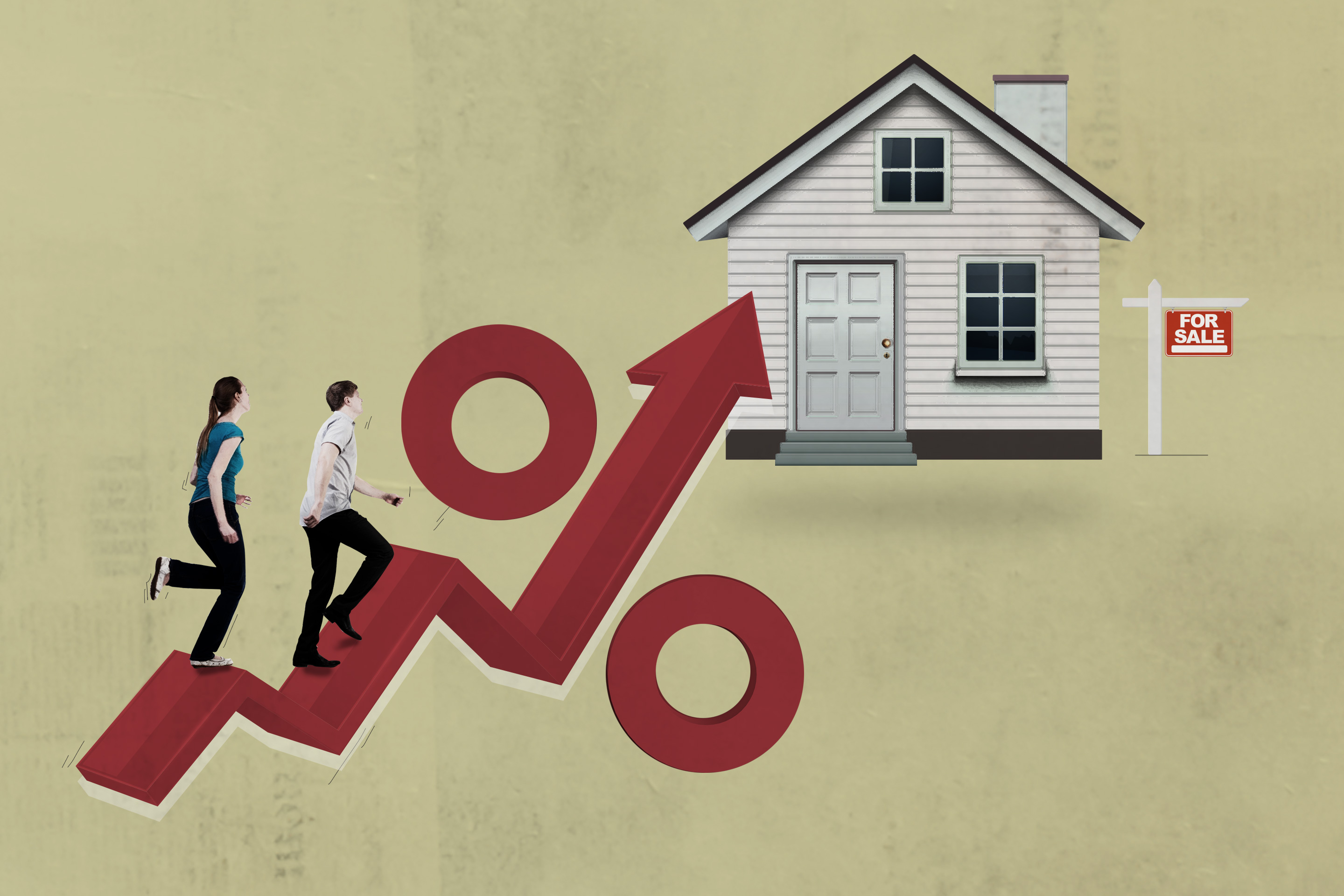
In recent times, interest rates, specifically mortgage rates, have witnessed a significant surge, peaking at the highest rate seen this year. As of July 6, the 30-year fixed-rate mortgage averaged 6.81%, up from 6.71% last week. In contrast, a year ago, the average was significantly lower at 5.30%. Similarly, the 15-year fixed-rate mortgage has also seen an uptick, averaging 6.24%, up from 6.06% last week, and an even more dramatic rise from 4.45% a year ago.
Sam Khater, Freddie Mac’s chief economist, commented on this upward trajectory stating, "Mortgage rates continued their upward trajectory again this week, rising to the highest rate this year so far." But what are the driving forces behind this rapid rise in mortgage rates?
According to Khater, the rate inflation is a resultant effect of a resilient economy, persistent inflation, and a hawkish tone from the Federal Reserve. Let's take a closer look at these factors.
Firstly, the resilient economy refers to the steady recovery of the economy from the financial shock induced by the global pandemic. The GDP growth rate has seen a sharp rebound, and labor market conditions are improving with unemployment rates falling. As the economy strengthens, demand for credit increases, which in turn pushes interest rates up.
Secondly, persistent inflation also plays a crucial role in the escalating rates. As prices of goods and services rise, the cost of borrowing increases, leading to higher interest rates. Inflation in the US has consistently outpaced the Federal Reserve's target, which led to the recent rise in rates.
Lastly, the hawkish stance from the Federal Reserve is also a key factor. The Federal Reserve has been indicating that it may raise its key interest rate to help combat inflation. This signals to the market that borrowing costs are likely to go up, leading to an increase in mortgage rates.
While the upward trend of interest rates indicates a healthy economy, the flip side shows that it has had a challenging effect on potential homebuyers. The combination of high rates and low inventory has resulted in an affordability crisis for many aspiring homeowners.
Rising rates increase the cost of borrowing, which directly affects the affordability of homes. Prospective homebuyers find it increasingly difficult to get a mortgage that suits their budget. For individuals with existing mortgages, refinancing options become less attractive with higher rates.
In conclusion, while the upward trajectory of mortgage rates might be indicative of a resilient economy and persistent inflation, it also presents challenges for potential homeowners. The real estate market, lenders, and borrowers alike need to navigate this landscape with strategic planning and foresight. As we move forward, it remains to be seen how long these elevated interest rates will persist and what implications they will have on the broader economic landscape.
John Paulus is a licensed Real Estate Broker in Georgia.

John Paulus
Realtor | John Paulus Real Estate | Keller Williams Realty Metro Atlanta
or another way